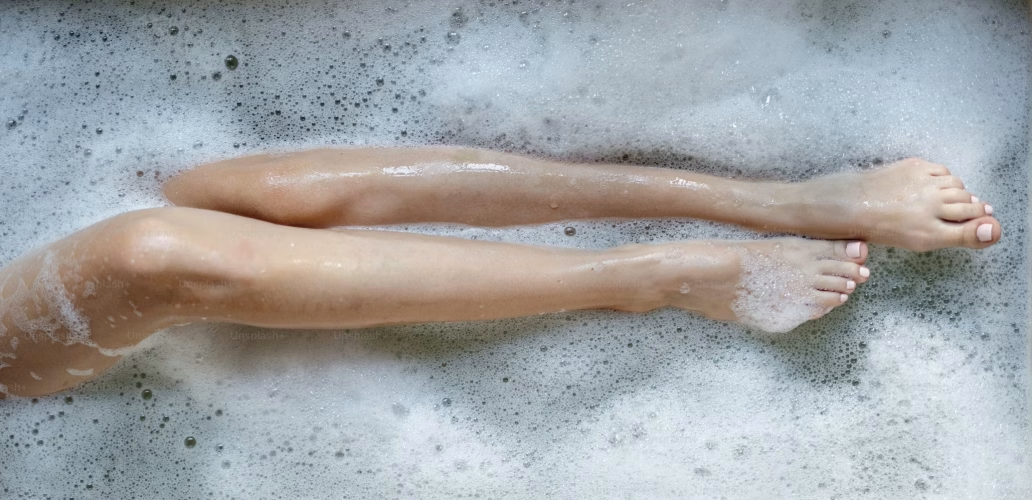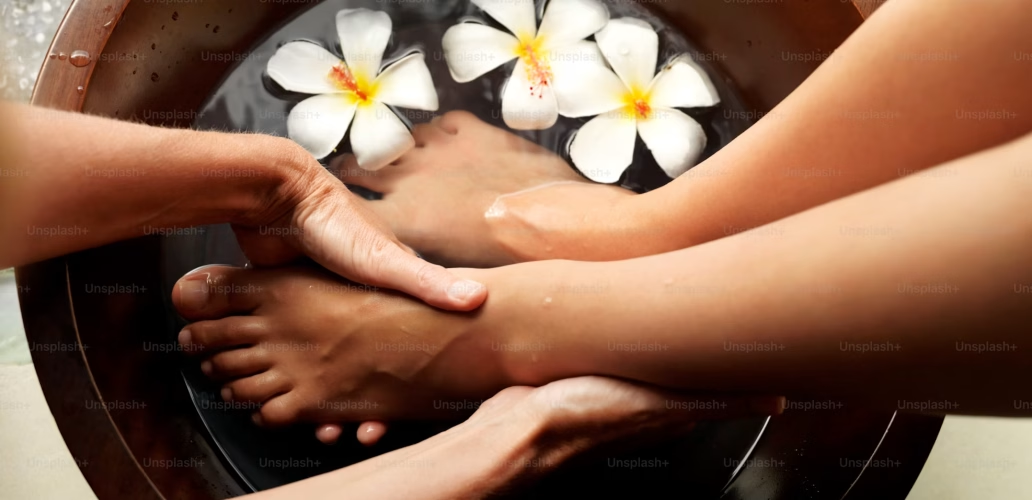
Benefits of Footbaths: Deep Relaxation for Tired Feet

Our busy lifestyle often leads us to neglect a fundamental part of our body: the feet. However, these very important parts deserve special attention and proper care to keep them healthy and revitalized.

An effective and enjoyable way to do this is through foot baths, an ancient practice that offers a number of benefits for the body and mind.


What is a foot bath?

Foot baths are an ancient therapy that involves immersing the feet in a basin of hot water, often enriched with salts, essential oils or medicinal herbs. This practice is known for its ability to provide deep relaxation, relieve muscle tension and promote a general sense of well-being.


Benefits of Footbaths:

  • Muscle relaxation: The warm water of the foot bath helps to relax the muscles in the feet, relieving tension and tiredness accumulated throughout the day.
  • Stimulating Blood Circulation: Immersing the feet in hot water helps to dilate the blood vessels, improving blood circulation in the lower limbs. This can be especially beneficial for people suffering from poor circulation or cold feet.
  • Stress and Anxiety Relief: Foot baths are known for their relaxing effects on the body and mind. Immersing the feet in warm water can help calm the nervous system, relieve stress and promote a feeling of calm and tranquillity.
  • Moisturizing the skin: The hot water in the foot bath helps to soften the skin of the feet, making it easier to remove dead cells and moisturizing the skin, leaving the feet softer and smoother.
  • Improved sleep: Many people report that foot baths before bed help to relax the body and mind, promoting deeper and more restful sleep.


How to Make a Footbath at Home:

  • Fill a basin with enough hot water to cover your feet.
  • Add bath salts, essential oils or medicinal herbs to the water as desired.
  • Immerse your feet in the water and relax for 15 to 20 minutes, breathing deeply and enjoying the moment of tranquillity.
  • After the foot bath, dry your feet well and apply a moisturizing cream to keep your skin soft and hydrated.


Foot baths are a simple and effective practice for promoting relaxation, relieving stress and revitalizing tired feet. Incorporating this ancient therapy into your self-care routine can bring a host of benefits to your physical, mental and emotional well-being.

So the next time your feet feel tired and sore, set aside some time for a foot bath and allow yourself to enjoy a moment of pure relaxation and care.

Your feet will certainly thank you!
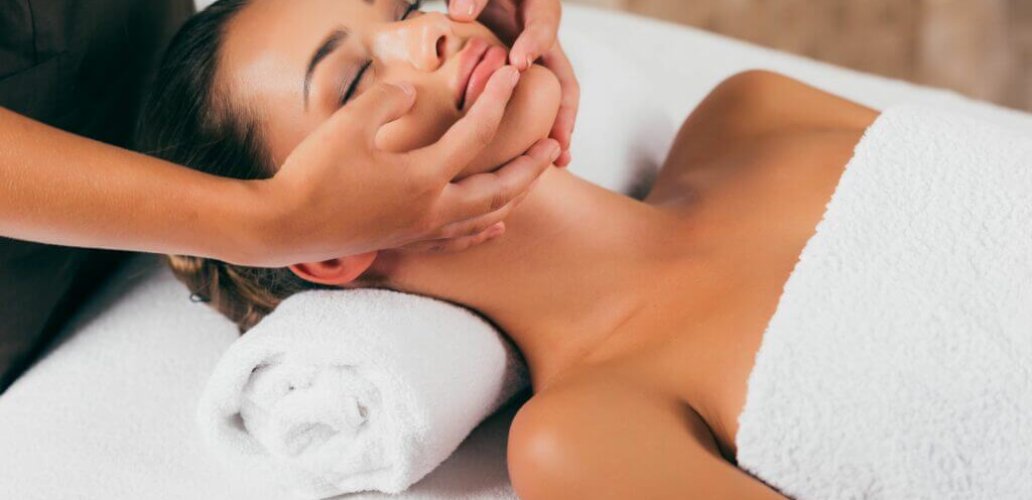
Preparing Your Skin for a Special Event: How Kobido Can Transform Your Appearance in a Few Sessions

When it comes to special events such as weddings, parties or even that long-awaited job interview, we all want to look our best. And that includes having radiant, rejuvenated skin. Fortunately, there’s an ancient Japanese technique that can help you achieve just that: Kobido. In this article, we’ll explore how Kobido can be an excellent option for preparing your skin before important events, giving you a rejuvenated and rested look.


What is Kobido?

Kobido, also known as Japanese Facelift, is a manual massage technique dedicated to preventing or softening expression lines, combating facial sagging and promoting a luminous, toned appearance to the skin. Originating in Japan, this practice was part of the beauty rituals of Japanese royalty and has been refined over the centuries to offer exceptional aesthetic results.


Benefits of Kobido Before a Special Event

  • Glowing skin: Kobido revitalizes facial muscles and increases blood circulation, giving you radiant, glowing skin.
  • Accentuated Contour: By toning the facial muscles, Kobido helps to define the contours of the face, providing a more youthful and sculpted appearance.


Rejuvenated and rested expression: With the deep relaxation provided by the Kobido massage, the facial expression becomes softer and more rested, eliminating signs of fatigue and stress.


How does Kobido work?

During a Kobido session, a specialized therapist performs a series of gentle, precise massage movements on the face, neck and décolleté. These movements aim to stimulate blood circulation, increase the flow of nutrients to the skin and gently remove dead cells, revealing healthier, rejuvenated skin.


How many sessions are needed?

Although Kobido offers immediate results, a series of sessions is recommended for longer-lasting benefits. Generally, a minimum of five sessions is recommended for long-term visible results and improved muscle support and facial tone.


If you’re preparing for a special event and want to look radiant and rejuvenated, consider trying Kobido.

This ancient technique offers a natural and effective approach to caring for your skin, providing visible and long-lasting results. Book a Kobido session today and be amazed by the transformative benefits it can offer your skin.

Natural Treatments for Tired Feet: Simple and Effective Alternatives

After a long day of work or physical activity, it’s common for our feet to feel the weight of tiredness and accumulated tension. However, there are several natural alternatives that can provide immediate and lasting relief from this discomfort. In this article, we’ll explore some natural treatments for tired feet, including herbal compresses, massages with vegetable oils and reflexology techniques, which can effectively invigorate and revitalize your feet.


1. Herbal compresses:

Herbal compresses are a simple and effective way to relieve tired feet. Prepare an infusion of relaxing herbs, such as chamomile, lavender or peppermint, and soak a clean cloth in the mixture. Then apply the warm compress to your feet for a few minutes, allowing the therapeutic properties of the herbs to act to relax the muscles and relieve tension.


2. Massages with Vegetable Oils:

Massages with vegetable oils are a comforting way to take care of tired feet. Choose a nourishing vegetable oil, such as coconut oil, olive oil or almond oil, and warm it slightly. Then apply the oil to your hands and massage your feet with gentle, firm movements, focusing on the soles, toes and ankles. This massage helps to improve blood circulation and relax the muscles, providing immediate relief for tired feet.


3. Reflexology techniques:

Reflexology is a therapeutic technique based on stimulating specific points on the feet to promote balance and well-being throughout the body. There are several reflexology points on the feet that are related to different organs and systems in the body. By applying pressure and massaging these points, it is possible to relieve stress, improve circulation and revitalize the body as a whole.


By incorporating these natural treatments into your foot care routine, you can provide relief and comfort in a simple and affordable way. Try these alternatives and find out which works best for you. Your feet will thank you, and you’ll be able to enjoy a sense of well-being and renewed vitality.

The Secrets of Kobido: How Japanese Massage Can Transform the Skin on Your Face

In the world of beauty and skin care, ancient techniques often bring with them valuable secrets that have stood the test of time.
A striking example is Kobido, also known as the Japanese Facelift, a manual massage technique that promotes deep rejuvenation and lasting well-being for the skin of the face.

Origins and Meaning

In Japanese, “Kobido” means “the search for inner beauty”, and this reflects the essence of this technique, which goes beyond superficial aesthetics. Kobido was part of the preventive rituals of Japanese royalty, designed to avoid imbalances in health and beauty. Today, this technique remains a popular choice, offering a natural and organic alternative to invasive procedures.

Visible benefits

Kobido aims to prevent or soften expression lines, combat facial sagging and promote a lifted expression, making the face brighter and more toned. The aesthetic results are remarkable, with visibly glowing skin, more defined contours and a rejuvenated, rested expression.

Well-being and Balance

In addition to its aesthetic benefits, Kobido offers deep relaxation and balance for the body and mind. By revitalizing the facial muscles, increasing blood circulation and promoting detoxification, this technique not only improves appearance, but also awakens well-being and personal radiance.

Therapeutic Application

Kobido is not just limited to the aesthetic aspect. Its therapeutic application addresses points that reflect on the general health of the body, and can be indicated for physiological imbalances such as bruxism, facial paralysis and migraines. In a world where the search for youth and beauty is constant, Kobido stands out as an ancient technique that offers effective and long-lasting results. By exploring the secrets of Kobido, you can discover a path to more radiant, rejuvenated and balanced skin, transforming not only your appearance, but also your experience of personal well-being.

Relaxing Massage for Insomnia: Effective Strategies to Improve Sleep Quality

Have you ever found yourself rolling over in bed at night, unable to switch off your mind and fall asleep?


Insomnia is a common problem that affects millions of people around the world, damaging not only the quality of their sleep, but also their general health and well-being. Fortunately, there are natural and effective approaches to help combat insomnia, and one of them is relaxing massage.


Relaxing massage is a therapeutic technique that combines gentle, firm movements with the use of essential oils to promote muscle and mental relaxation. This ancient practice has been increasingly recognized for its benefits in treating insomnia, helping people to fall asleep more easily and enjoy a deeper, more restorative sleep.


How Relaxing Massage Can Help Insomnia


Insomnia is often related to stress, anxiety and tension accumulated throughout the day. Relaxing massage acts directly on these problems, inducing a state of deep relaxation that calms the mind, reduces cortisol levels (the stress hormone) and releases endorphins (the feel-good hormones).


In addition, relaxing massage helps improve blood circulation and oxygen flow to the muscles, relieving tension and body stiffness that can interfere with sleep. This combination of physical and psychological effects makes relaxing massage an effective tool for treating insomnia and promoting a more restful and restorative sleep.


Effective Strategies to Improve Sleep Quality


If you’re struggling with insomnia, here are some effective strategies for improving sleep quality with the help of relaxing massage:

  • Schedule Regular Massage Sessions: Set aside time regularly to receive relaxing massage sessions. Establishing a routine can help train your body and mind to relax and prepare for sleep.
  • Try Relaxing Essential Oils: Add relaxing essential oils such as lavender, chamomile or bergamot to your massage to enhance the calming effects and promote a deeper, more restful sleep.
  • Practice Deep Breathing: During the massage, concentrate on your breathing and practice deep, conscious breathing. This helps to calm the nervous system and induce a deeper state of relaxation.
  • Create a Comfortable Sleeping Environment: After the massage, make sure you create an environment conducive to sleep, with a comfortable temperature, soft light and no electronic devices that could interfere with sleep.

The Importance of Foot Care: Why Should We Pay Special Attention to Them?

Our feet, often forgotten, play a crucial role in our daily lives and general well-being.
This article explores the importance of foot care and how a proper care routine can prevent common problems, promoting health and well-being.


Our feet are the base of our body, the foundation that supports us in all our daily activities.
They take us where we want to go, supporting the entire weight of our body.
However, we tend to pay them little attention until they start to cause us pain or discomfort.


Routine foot care is essential to keep feet healthy and free from common problems such as calluses, cracks and fungal infections.
Lack of care can lead to more serious complications, such as non-healing wounds and serious infections.


Start your foot care routine with a foot scrub.

Foot baths not only relax tired muscles, but also stimulate blood circulation and relieve accumulated stress. Add essential oils to the hot water to enhance the benefits.


Next, exfoliate your feet to remove dead skin cells and soften the skin.

This helps prevent the build-up of calluses and cracks, keeping feet soft and healthy.


Finally, finish off with a relaxing foot massage.

Massage not only relieves tension and discomfort, but also improves blood flow and promotes general relaxation of the body.


So don’t underestimate the importance of caring for your feet.
Give them the attention they deserve and you’ll reap the benefits of healthy, happy feet for many years to come.

Your feet will thank you!

Foot Spa at Home: Tips for Creating a Relaxing Moment in Your Home

Who says you have to leave the house to enjoy a relaxing and invigorating moment for your feet? With a few simple tips, you can create a real foot spa in the comfort of your own home. In this article, we’ll explore how you can pamper your feet with a homemade foot bath, foot scrub and relaxing massage, providing a moment of unparalleled care and relaxation.


1. homemade foot bath:

Start your foot spa at home with a revitalizing foot bath. Fill a basin with warm water and add bath salts, essential oils or flower petals to create a relaxing sensory experience. Let your feet soak in this mixture for around 15 to 20 minutes, allowing the muscles to relax and the blood circulation to be stimulated.


2. Foot scrub:

After the foot scrub, it’s time to get rid of dead cells and leave the skin on your feet soft and renewed with a foot scrub. You can prepare a homemade scrub by mixing sugar or coarse salt with coconut oil or olive oil. Gently massage this mixture into your feet, paying special attention to rough areas and calluses. Then rinse with warm water and dry your feet thoroughly.


3. Relaxing Foot Massage:

To complete your foot spa at home, treat yourself to a relaxing foot massage. Apply a moisturizing cream or oil and gently massage your feet, concentrating on the soles, toes and ankles. Use circular movements and gentle pressure to relieve muscle tension and promote relaxation. You can also incorporate reflexology techniques to stimulate specific points on the feet and provide even more therapeutic benefits.


By following these simple tips, you can turn your home into a relaxing haven for your feet.


Take time out regularly to look after them and enjoy the benefits of a foot spa at home. Your feet will thank you, and you’ll feel refreshed and renewed to face whatever life brings.

Foot Exfoliation: The Secret to Renewed, Soft Feet

Our daily lives often keep us busy, and it’s easy to forget to take care of essential parts of our body, such as our feet.
However, these important parts deserve special attention and proper care to keep them healthy ? and revitalized. One effective way to do this is through foot exfoliation, a simple but powerful technique that can transform the look and feel of your feet.


What is Foot Exfoliation?

Foot exfoliation is a foot care procedure that consists of removing dead skin cells, renewing and smoothing the surface of the skin. This technique is carried out using a specific foot scrub, which usually contains abrasive particles, such as salts or crystals, to help remove dead cells and promote skin regeneration.


Benefits of Foot Exfoliation:

  • Removal of Dead Cells: Foot exfoliation helps to remove dead skin cells from the feet, leaving them looking smoother and more even.
  • Renewed and soft feet: After exfoliation, the skin of the feet is more receptive to moisture, which can make them softer and smoother to the touch.
  • Prevention of calluses and cracks: By removing dead skin cells, foot scrubs can help prevent the build-up of calluses and cracks on the feet, keeping them healthy and free from discomfort.
  • Stimulating Blood Circulation: The act of exfoliating the feet can also help to stimulate blood circulation in the area, promoting a feeling of relaxation and well-being.
  • Preparation for other treatments: Foot exfoliation prepares the skin of the feet to receive other treatments, such as intensive moisturizing or relaxing massage, enhancing the results of these procedures.


How to make a foot scrub at home:

  • Start by soaking your feet in warm water for a few minutes to soften the skin.
  • Apply the foot scrub in a circular motion, concentrating on the roughest and driest areas of the feet.
  • Rinse your feet with warm water and dry them gently with a towel.
  • Apply a moisturizing foot cream or lotion to nourish and soften the skin.


Foot exfoliation is an essential step in the foot care routine. It renews and softens the skin, as well as preventing the build-up of calluses and cracks. By incorporating foot exfoliation into your self-care routine, you’ll be giving your feet the special care they deserve, leaving them refreshed, soft and ready to face the day with comfort and confidence.

So take some time to look after your feet and experience the transformative benefits of foot scrubs.

Benefits of Blood Circulation for Foot Health: How to Improve It

Proper blood circulation is essential for the health of our feet.
Good circulation helps deliver oxygen and nutrients to the tissues, as well as removing metabolic waste and toxins.
But how can we improve blood circulation in the feet?

 
Let’s explore some tips and techniques!
 

One of the most effective ways to improve blood circulation in the feet is through regular exercise.
Activities such as walking, running, swimming and stretching help to stimulate blood flow and strengthen the muscles in the legs and feet.

 
In addition, foot massages can be extremely beneficial for improving circulation.
Massage helps to relax the muscles and stimulate blood flow, relieving tension and fatigue accumulated throughout the day.   Keeping your feet elevated whenever possible can also help improve circulation.
This reduces pressure on the blood vessels and facilitates venous return to the heart.
 

Another important tip is to wear comfortable shoes that suit your foot type.
Tight or poor quality shoes can compress blood vessels and hinder circulation.
 

Finally, don’t forget to maintain a balanced diet and stay properly hydrated.
A nutrient-rich diet and sufficient water intake help maintain vascular health and proper blood circulation throughout the body, including the feet.
 

By incorporating these simple tips into your daily routine, you can significantly improve blood circulation in your feet and prevent problems such as swelling, tingling and pain.
Take good care of your feet, and they’ll take good care of you!

Incorporating Relaxing Massage into your Wellness Care Routine: Tips for a More Balanced Lifestyle

In the midst of the hustle and bustle of everyday life, finding moments of tranquillity and relaxation can seem like a challenge. However, incorporating relaxing massage into your wellness routine could be the key to promoting a more balanced lifestyle. This therapeutic practice not only relieves muscle tension, but also improves blood circulation, calms the mind and promotes a feeling of general well-being. Here are some tips to help you incorporate relaxing massage into your daily routine:

1. Schedule Regular Massage Sessions

Just as you set aside time for exercise and other important activities, set aside time regularly to receive relaxing massage sessions. Scheduling weekly or monthly sessions can help ensure that you take time out to look after yourself and recharge your energy.


2. Create a Relaxing Space at Home

Transform a corner of your home into a sanctuary of relaxation, complete with scented candles, soft music and essential oils. Take a few minutes every day to relax in this space, practice deep breathing or simply enjoy a moment of tranquillity.


3. Try Home Automation or Massage

If you have a busy schedule and struggle to find time for professional massage sessions, consider trying self-massage or asking a loved one to help you with a massage at home. There are many videos and tutorials available online that can guide you through simple self-massage techniques to relieve muscle tension and promote relaxation.


4. Combine Relaxing Massage with Other Wellness Practices

Relaxing massage can be even more effective when combined with other wellness practices, such as meditation, yoga or breathing exercises. Try scheduling a massage session before or after a yoga class or meditation practice to enhance the relaxing effects.


5. Make Relaxing Massage a Priority

Finally, make relaxing massage a priority in your life. Recognize that taking care of yourself is not a luxury, but an essential necessity to promote a balanced and healthy lifestyle. Take time out regularly to relax, recharge your batteries and look after your physical, mental and emotional well-being.


Incorporating relaxing massage into your wellness routine can be an effective way of promoting a more balanced and healthy lifestyle. Take the time to look after yourself and enjoy the many benefits that relaxing massage has to offer. Your body, mind and soul will thank you.

plugins premium WordPress
0
0
Terapias Escolhidas
Você ainda não escolheu a sua terapia