


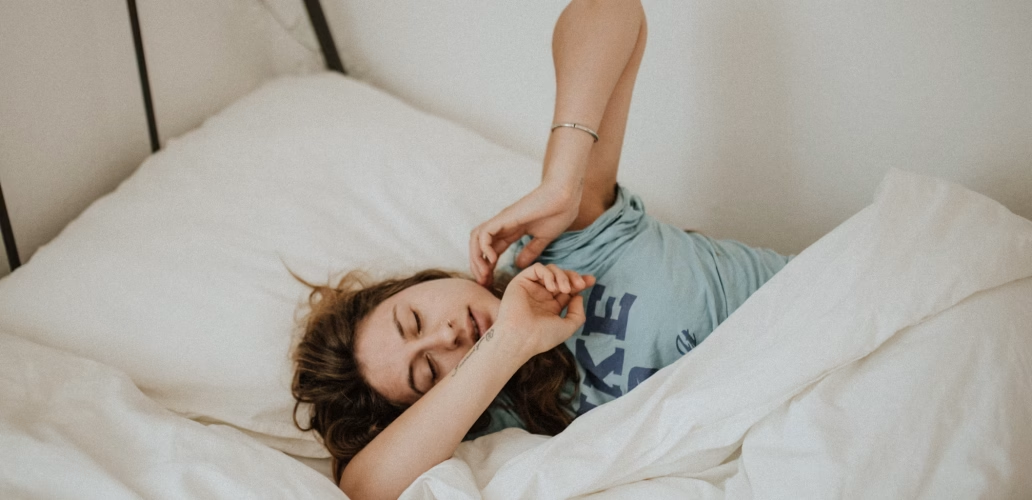
Relaxing Massage for Insomnia: Effective Strategies to Improve Sleep Quality
Have you ever found yourself rolling over in bed at night, unable to switch off your mind and fall asleep?
Insomnia is a common problem that affects millions of people around the world, damaging not only the quality of their sleep, but also their general health and well-being. Fortunately, there are natural and effective approaches to help combat insomnia, and one of them is relaxing massage.
Relaxing massage is a therapeutic technique that combines gentle, firm movements with the use of essential oils to promote muscle and mental relaxation. This ancient practice has been increasingly recognized for its benefits in treating insomnia, helping people to fall asleep more easily and enjoy a deeper, more restorative sleep.
How Relaxing Massage Can Help Insomnia
Insomnia is often related to stress, anxiety and tension accumulated throughout the day. Relaxing massage acts directly on these problems, inducing a state of deep relaxation that calms the mind, reduces cortisol levels (the stress hormone) and releases endorphins (the feel-good hormones).
In addition, relaxing massage helps improve blood circulation and oxygen flow to the muscles, relieving tension and body stiffness that can interfere with sleep. This combination of physical and psychological effects makes relaxing massage an effective tool for treating insomnia and promoting a more restful and restorative sleep.
Effective Strategies to Improve Sleep Quality
If you’re struggling with insomnia, here are some effective strategies for improving sleep quality with the help of relaxing massage:
- Schedule Regular Massage Sessions: Set aside time regularly to receive relaxing massage sessions. Establishing a routine can help train your body and mind to relax and prepare for sleep.
- Try Relaxing Essential Oils: Add relaxing essential oils such as lavender, chamomile or bergamot to your massage to enhance the calming effects and promote a deeper, more restful sleep.
- Practice Deep Breathing: During the massage, concentrate on your breathing and practice deep, conscious breathing. This helps to calm the nervous system and induce a deeper state of relaxation.
- Create a Comfortable Sleeping Environment: After the massage, make sure you create an environment conducive to sleep, with a comfortable temperature, soft light and no electronic devices that could interfere with sleep.